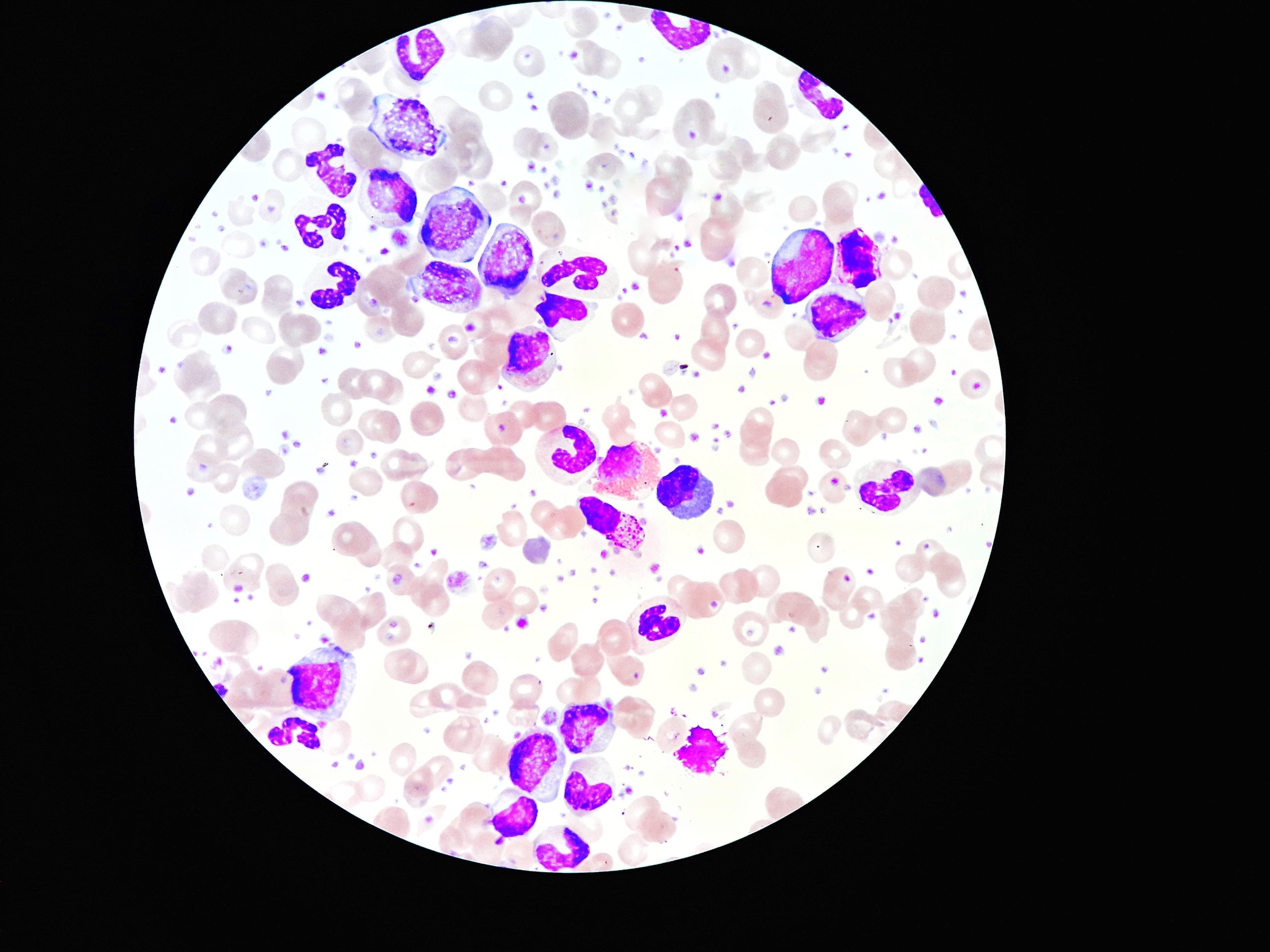
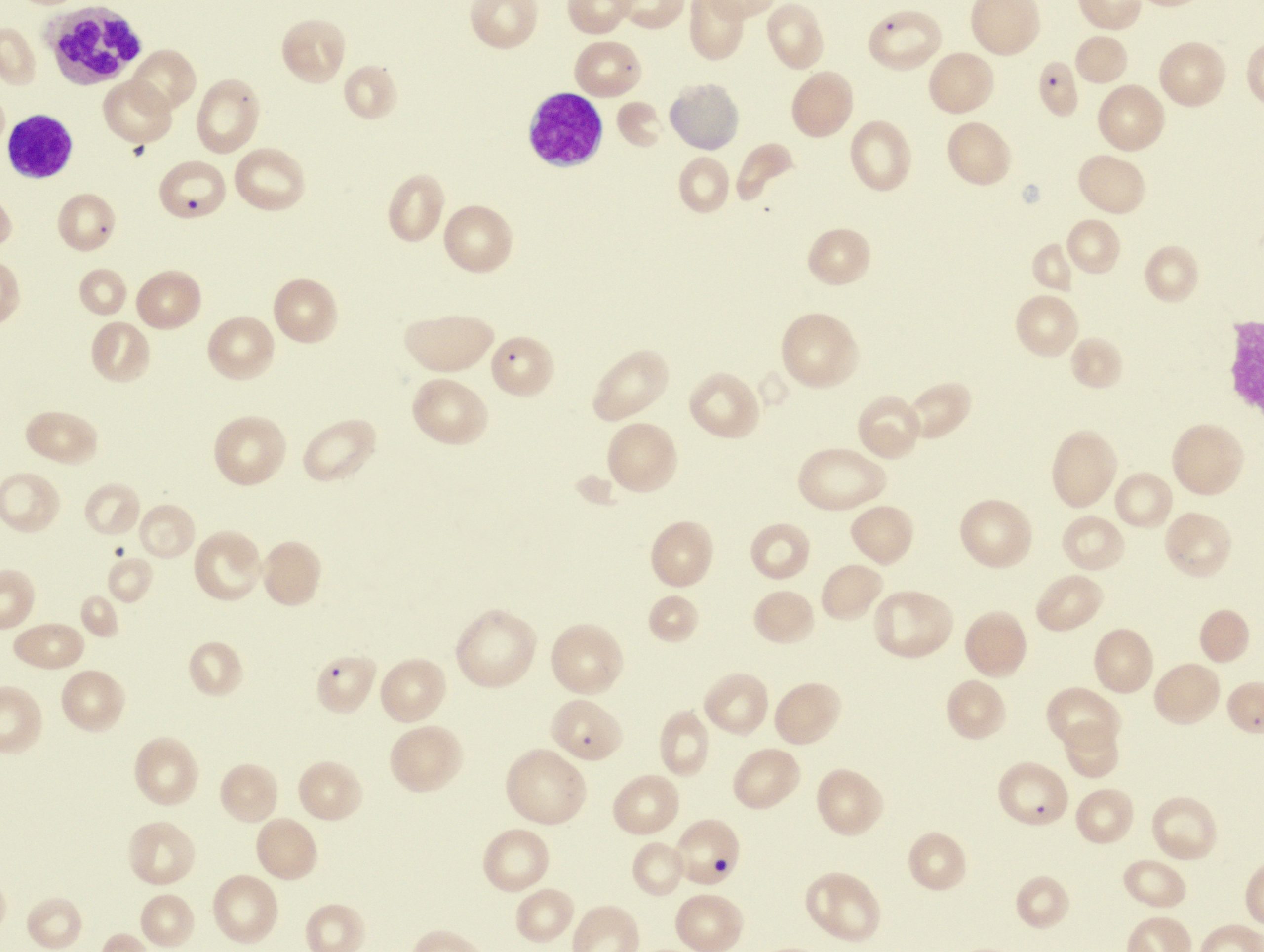
| Laboratory testing | - CBC with peripheral blood smear
- Evaluate indices (MCV, RDW, MCHC)
-
- Reticulocyte count and index
- Low index suggests decreased bone marrow RBC production
- High index suggests increased bone marrow response to hemolysis or blood loss
- WBC count
- Low WBC suggests bone marrow suppression or infiltration
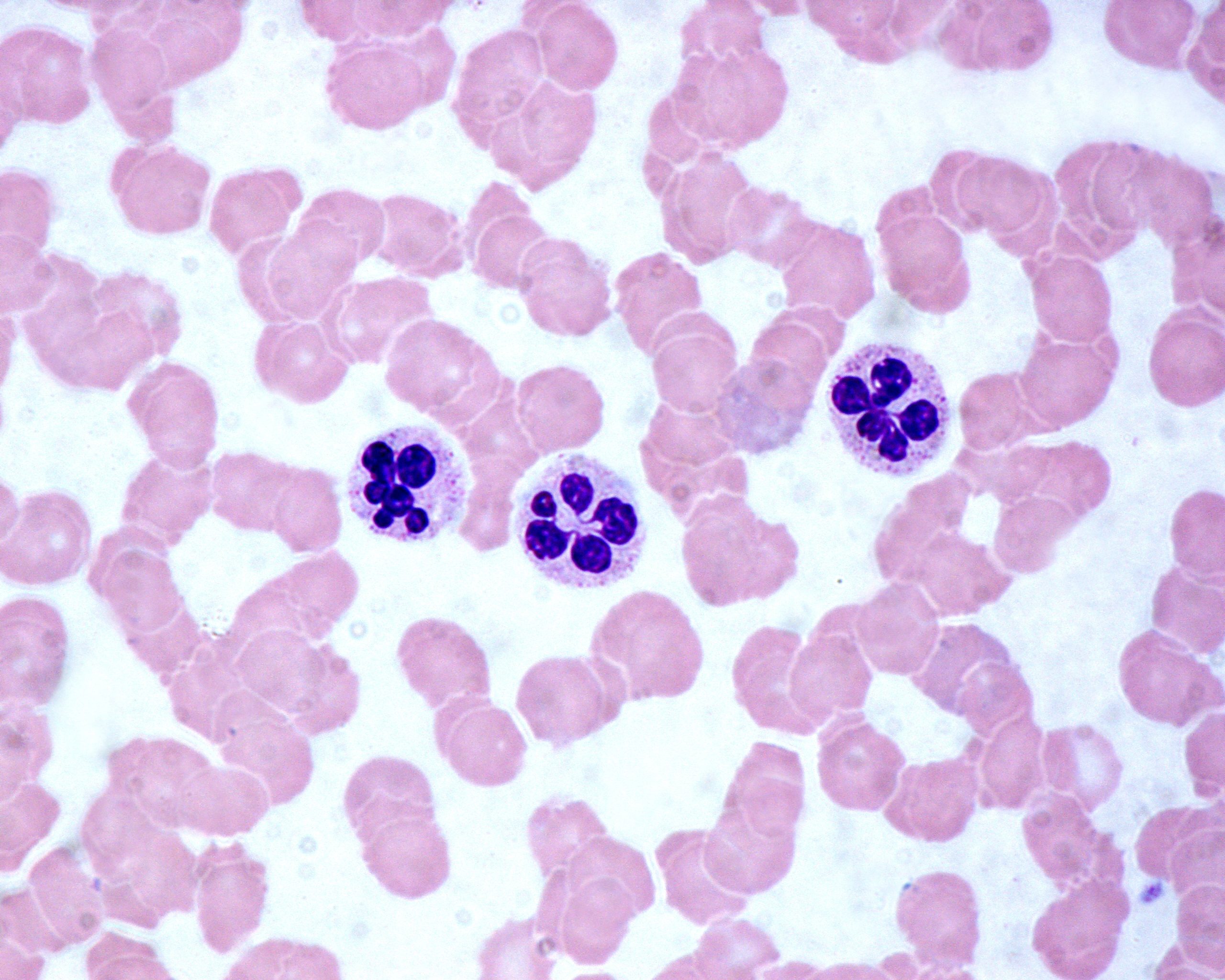
- Neutrophils
- Fragmented cells suggest DIC
- Platelets
- Thrombocytopenia suggests autoimmune etiology, aplastic anemia, hypersplenism, or sepsis
- Thrombocytosis suggests myeloproliferative disorder, chronic inflammation, or malignancy
- Iron studies
- Iron
- Ferritin
- TIBC
- Reticulocyte count/index
- Evaluation for hemolysis
- LDH
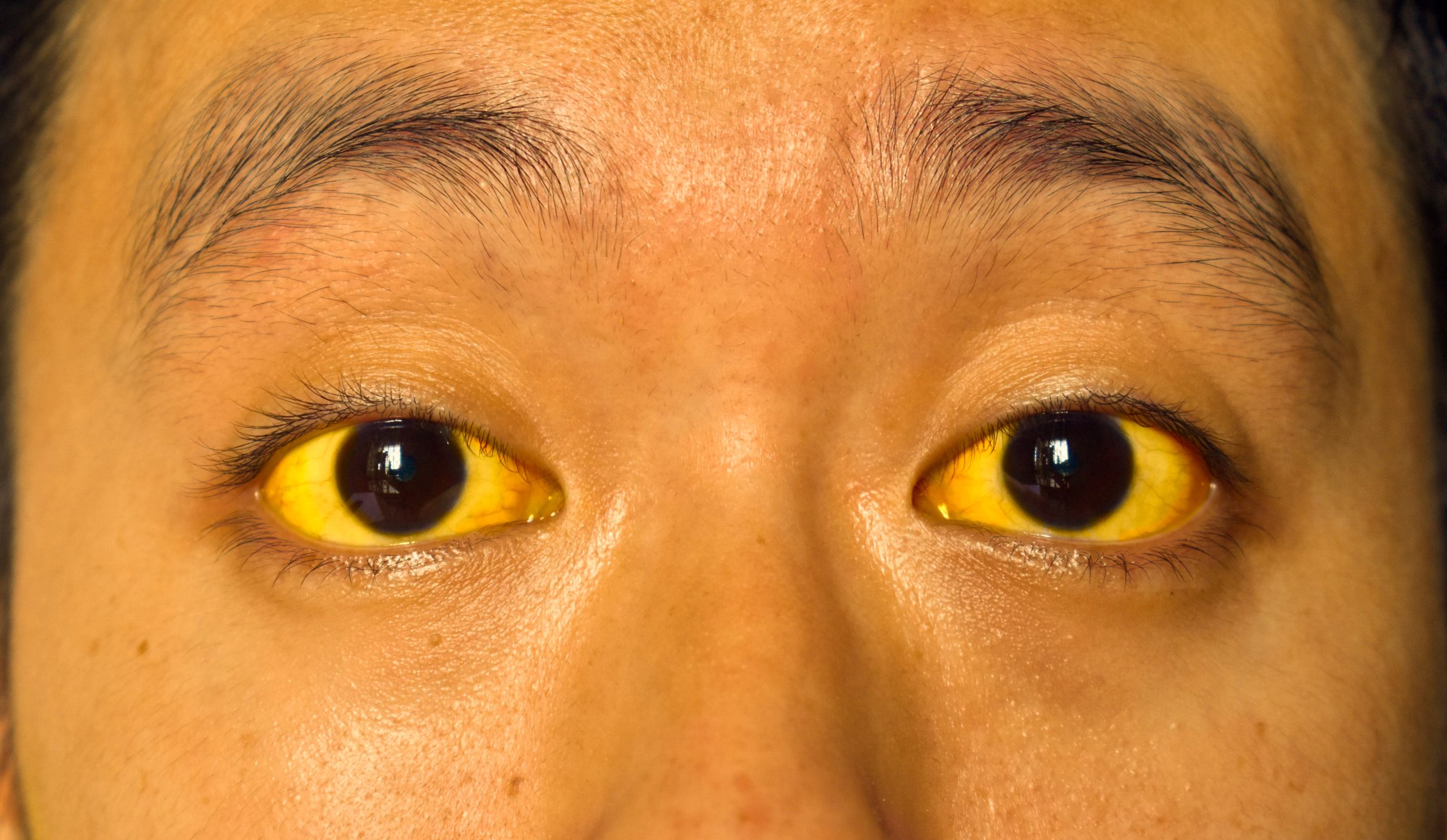
- Bilirubin
- Decreased haptoglobin
- Other possible testing
- GI evaluation (eg, endoscopy, colonoscopy)
- HIV test
- Liver function tests
- Electrolytes
- ESR, CRP
- Abdominal imaging
- Bone marrow biopsy in some cases
|

No Comments